









What Nyerere Would Have Said Today
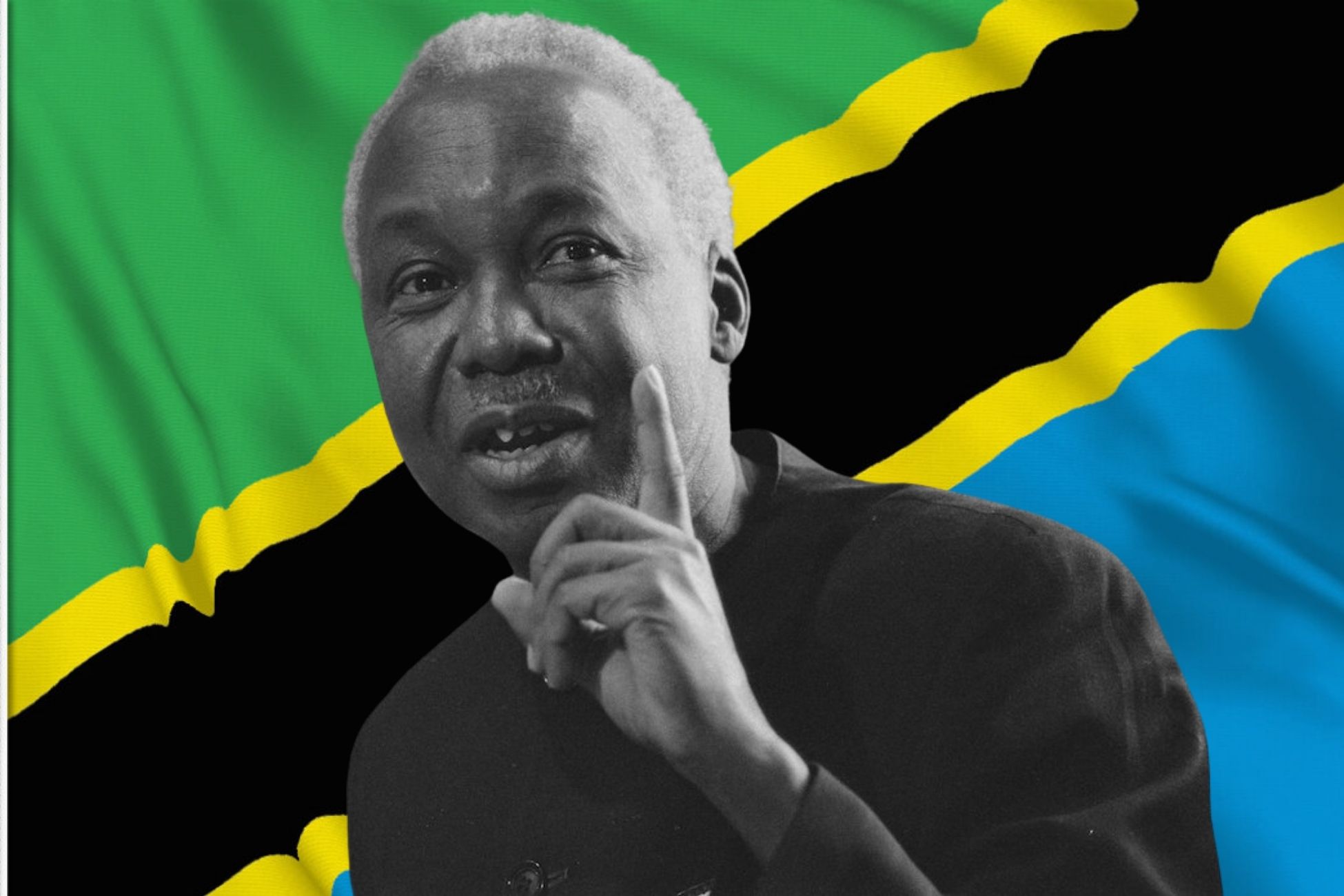
I have walked the streets of Dar es Salaam enough times to understand why Tanzanians still whisper Mwalimu’s name with a reverence that borders on spiritual. Julius Kambarage Nyerere was not a man of perfect policies but he was a man of perfect intention. He believed that the sovereignty of a people was not a theory. It was a living force. Which is why, as I reflect on the 2025 post-election massacre in Tanzania, on the bodies left on cold streets, on the silenced mothers and the wounded young men, a truth becomes impossible to ignore. If Mwalimu Nyerere were alive today, he would have called for the presidential election to be nullified. He would have said that no legal result can sprout from the Tanzania massacre. And he would have insisted that the power of the Tanzanian people must be restored before the nation can breathe again.
Why?
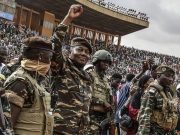
In the days following the disputed presidential election, Tanzanians woke up to a horror they did not vote for. Armed units of the state, some masked and others in unmarked uniforms, swept through neighborhoods from Kinyerezi to Kigamboni. They moved house to house, shooting, beating, dragging. They left at least hundreds dead. They wounded many more. They terrified the rest. The question haunting the nation is painfully clear. Who ordered these killings? What purpose did this violence serve? Why did the election turn into a bloody war? Where was the constitutional custodianship that Tanzanians were promised. How did a nation that once danced to Mwalimu’s dream of unity and peace find itself crying for the simplest human right. To live.
A government cannot preside over violence against its citizens then stand before the world and claim to speak for them. A ballot soaked in blood does not have legitimacy. For a country already struggling with political trust, institutional independence, and growing civic fear, this election became the final fracture. Which is why revisiting Nyerere is not nostalgia. It is necessity.
When Kenya Faced the Same Reckoning
Kenya has faced this question before. Those who lived through the 2007 and 2008 post-election violence know what it means when a nation’s democratic machinery collapses under violence. In both moments, Kenya had to confront the same uncomfortable truth that Tanzania faces today. Elections that are not free of violence are not elections. They are coronations done under duress. They are rituals of state power performing the theatre of public will.
How Nyerere Handled Dissent
Under Nyerere, Tanzania was not a place without conflict. Yet even at the height of ideological tensions, he refused to let state violence define leadership. Mwalimu believed that dissent was not a crime. It was a civic cleansing agent. He understood something many African states still fail to grasp. Violence delegitimizes power. Its presence nullifies authority.
When the Zanzibar Revolution threatened to spiral into chaos, Nyerere invited dialogue instead of annihilation. When students marched at the University of Dar es Salaam, he faced them with arguments rather than bullets. Even when he feared the rise of counter ideology, he leaned on persuasion, political education and national cohesion rather than the hunt-and-eliminate instincts that modern regimes default to.
The Moral Logic Nyerere Would Have Followed
Mwalimu Nyerere believed that the moral authority of a government was greater than its constitutional authority. In other words, legality was meaningless without legitimacy. He taught Africa that a government cannot be feared by its people and still claim to represent them. He taught that leadership is service, not survival. And he preached that elections are sacred because they express the souls of citizens.
To Nyerere, the blood on the streets would not be a political inconvenience. It would be a national dishonor. A national disaster. An injustice of monumental proportions. He would have said that an election that produces death is not an election. It is an assault on the founding covenant of the nation he built. He would have demanded accountability. He would have insisted on independent investigations. And he would have declared that the only path forward is to nullify the election and restore the people’s sovereign voice.
Why This Moment Matters for Tanzania, Africa and the World
Africa is watching. From Dakar to Kigali, from Nairobi to Goma, the continent is recalibrating its understanding of governance. Young Africans, especially, are rejecting state violence as a normal political tool. They are demanding accountability, transparency, and a democracy that does not require bleeding.
Tanzania is now at a crossroads. It can imitate the path of nations that buried their crises under silence only for the rot to resurface years later. Or it can embrace the clarity Nyerere taught. Power must only emerge from the people. And any election that violates that principle must be annulled.
This moment also matters because Tanzania has long been the moral reference point for liberation movements across Africa. From Mozambique to South Africa, Mwalimu gave refuge and strategy to those fighting injustice. What would it mean for a nation that once sheltered the oppressed to now become the oppressor.
The People’s Sovereignty Must Be Restored
In the village of Kipini where the Tana River pours into the Indian Ocean, I often sat and watched the merging of waters. It reminded me of something essential. Rivers cannot be stopped. Their merging cannot be negotiated. Sovereign power is the same. It flows from the people and eventually returns to them no matter how many obstacles stand in its way.
This is why Julius Nyerere would have called for the presidential election to be nullified. Not out of anger. Not out of partisanship. But out of a profound belief that Tanzania’s destiny cannot be built on violence. It must be built on truth. Tanzania must reclaim its soul. And Africa must stand with Tanzanians as they demand justice, restoration and genuine democracy.
djbwakali@gmail.com